The Wobble Is the Point
How Kids Build Real Confidence by Doing the Scary Thing Anyway
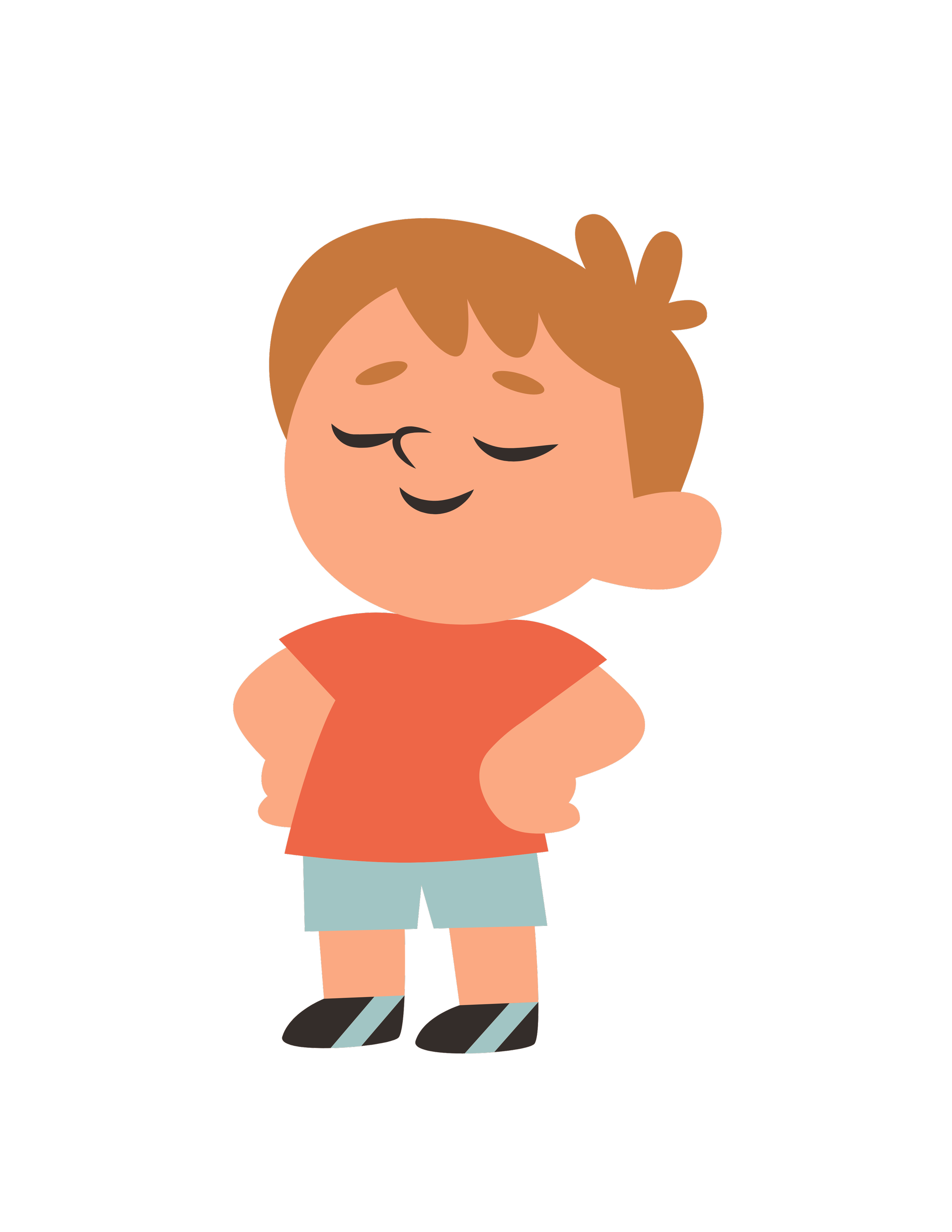
There's a moment every parent and clinician knows well.
A child standing at the edge of something new — the diving board, the first day of a new school, the birthday party where they don't know anyone. Their stomach is in knots. Their feet won't move. They look back at you with those eyes that say please don't make me do this.
And everything in us wants to make it easier for them.
But here's what the research — and honestly, our own lived experience — tells us: that wobble? That's not a sign that something is wrong. That's exactly where confidence gets built.
The Confidence Myth We Need to Let Go Of
We tend to think of confidence as something kids either have or don't have. Like a personality trait they were born with, or something that grows when life goes smoothly and they feel good about themselves.
But that's not how it works.
Real confidence — the kind that actually holds up when things get hard — isn't built through reassurance. It isn't built through avoiding hard things, or through being told "you've got this" enough times. It's built through doing. Specifically, through doing things that felt scary first.
Psychologist Albert Bandura called this self-efficacy — a person's belief in their own ability to handle a situation. And his decades of research pointed to one thing above everything else as the most powerful source of that belief: mastery experiences. Actually attempting something hard, surviving it, and coming out the other side.
Not being told you can do it. Not watching someone else do it. Doing it yourself.
The Nervous Feeling Is Part of the Process
Here's what kids (and their caregivers) need to understand: anxiety before a hard thing doesn't mean they're not ready. It means they're about to grow.
When a child feels nervous about doing something, their brain is paying attention. It's flagging the situation as important, uncertain, unknown. That's not a malfunction — that's the system working exactly as it should.
The problem isn't the nervousness. The problem is what we teach kids to do with it.
If we teach them that nervous feelings are a stop sign — that the feeling means don't do it — they learn to avoid. And avoidance has a short-term payoff (relief!) that makes it incredibly sticky. Each time they avoid, the relief reinforces the belief that the thing was truly dangerous, and the anxiety grows a little bigger for next time.
But if we teach them that nervous feelings are a signal, not a verdict — that they can feel the wobble and walk forward anyway — something completely different happens.
They do the hard thing. It turns out okay. And their brain logs that experience.
The Reps Build the Trust
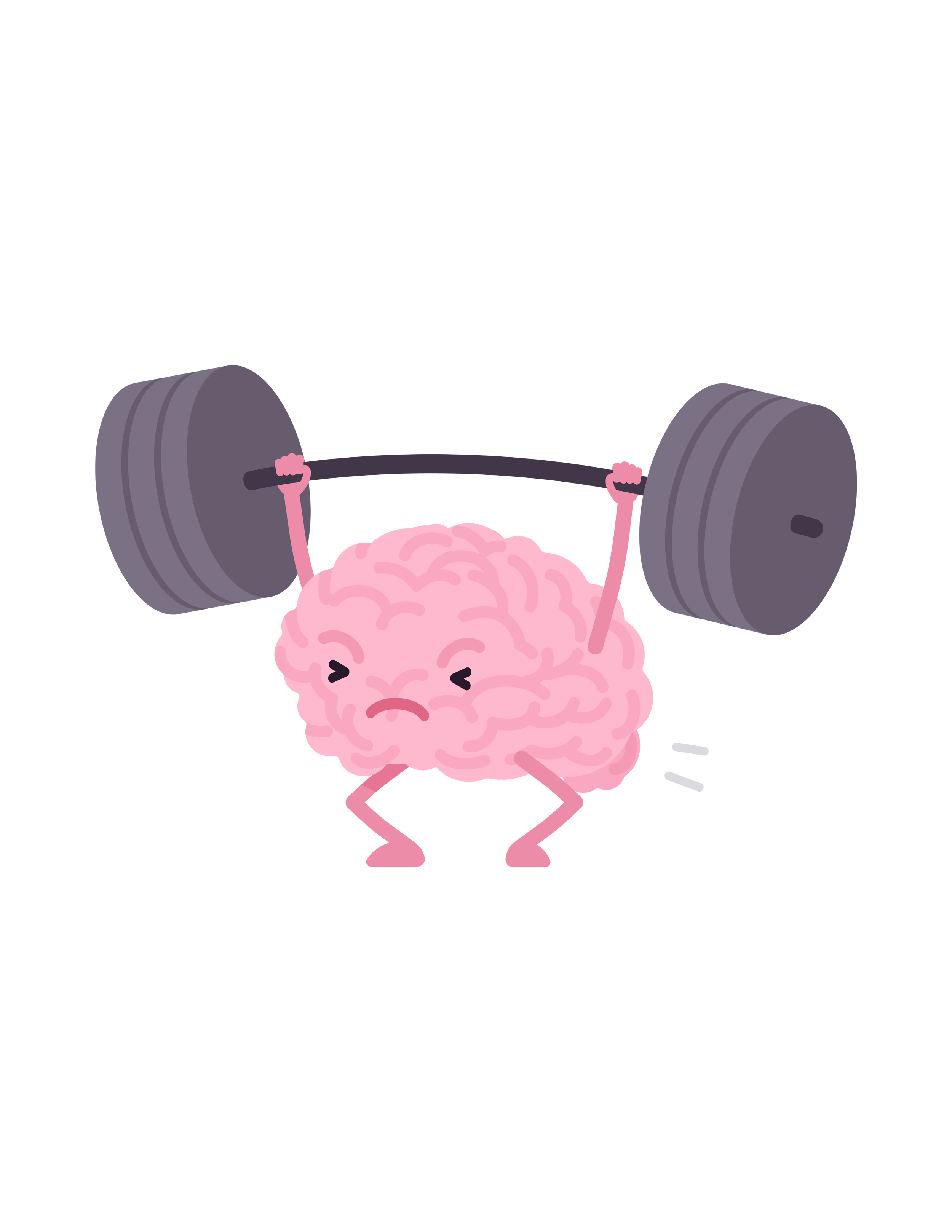
Every time a child does something that scares them and survives it, they're adding a rep. And those reps accumulate into something powerful — a body of evidence they carry around internally that says I have done hard things before. I can do hard things again.
This is exactly what exposure-based approaches in therapy are built on. Whether we're working with a child who has clinical anxiety or just a kid who tends to shrink from new experiences, the mechanism is the same: gradual, supported contact with the feared thing, done repeatedly, teaches the nervous system that the threat isn't as big as it felt.
The relief doesn't come from avoiding the hard thing. It comes from outlasting it.
And each rep makes the next one a little easier. Not because the hard things stop being hard — but because the child has proof, gathered from their own experience, that they're capable of handling them.
What This Looks Like in Session and at Home
For clinicians, this means one of the most valuable things we can do is help kids name and honor the small brave moments they're already having — the ones they're dismissing because they don't feel significant enough.
The child who didn't want to go to the class party but went anyway. The kid who answered a question in class even though their voice shook. The one who tried out for something and didn't make it, and showed up to school the next day.
These aren't small things. These are the reps. Help kids see them as such.
For parents, the language shift is subtle but powerful. Instead of "you've got this!" before a hard thing, try: "I know this feels scary. You can feel nervous and do it anyway." That reframe validates the feeling without using it as a reason to stop. It also gives kids a framework they can apply independently — nervous doesn't mean no.
After the hard thing, instead of "see, that wasn't so bad!" (which can feel dismissive of how real the fear was), try: "You felt scared, and you did it anyway. That's exactly how bravery works." Name the mechanism. Help them understand what just happened inside them, so they can recognize it the next time.
The Thing We're Really Teaching
When we help kids move through nervous moments instead of around them, we're not just building confidence about that specific thing. We're building a transferable belief: I am someone who can handle hard things.
That belief — developed through reps, through wobbles survived, through scary things that turned out okay — is one of the most protective things a child can carry into adolescence and adulthood.
It's the difference between a teenager who tries out for the team even though they might not make it, and one who doesn't try because the risk feels too big. Between a young adult who applies for the job they're not sure they're qualified for, and one who plays it safe.
The diving board moment matters. Not because of the dive — but because of what gets built in the doing of it.
Sources
Bandura, A. (1977). Self-efficacy: Toward a unifying theory of behavioral change.
Bandura, A. (1986). Social foundations of thought and action.
Exposure therapy / habituation research — the avoidance cycle and relief reinforcing anxiety is core to CBT and exposure-based treatment. This goes back to work by Joseph Wolpe and has been extensively validated, particularly for childhood anxiety.
The anxiety → avoidance → growth cycle