The Gift Of Therapy Summary
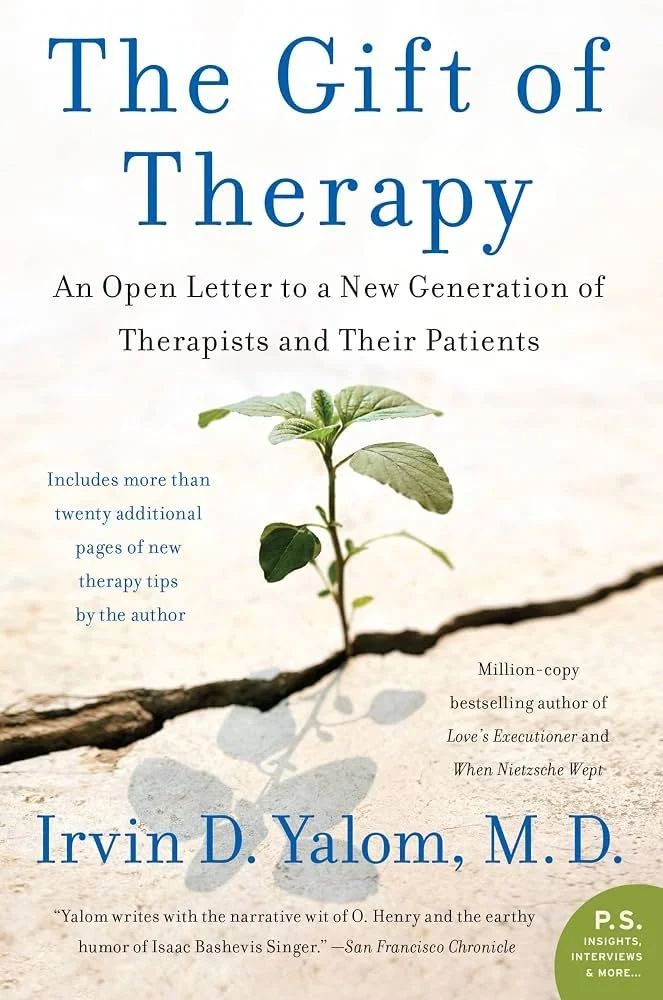
Irvin Yalom's letter to new therapists comes down to one message: the relationship is the treatment.
The big idea
Techniques matter less than the relationship. Yalom argues that what helps people most is a real, caring connection with a therapist who is fully present, honest, and curious. Your job isn't to fix the client. It's to clear away what's blocking their growth, and the relationship itself does much of that work.
He calls therapist and client "fellow travelers": two people figuring things out together, not an expert and a patient. For new clinicians, that's freeing. You don't have to have every answer. You have to show up.
Key Points
1. The relationship heals
What it means: Connection is the main ingredient,
In your sessions with kids: The game, the drawing, and the check-in are ways to connect. If a child leaves feeling seen, the session worked.
2. Look out the client's window
What it means: Empathy means seeing the world the way they see it.
In your sessions with kids: Get on the floor. Ask what recess, bedtime, or their sibling looks like from where they stand.
3. Use the here-and-now
What it means: What happens between you in the room is the richest material.
In your sessions with kids: "You got really quiet when I asked about school. What's happening right now?" Kids show you their world in how they play with you.
4. Create a new therapy for each client
What it means: Don't force everyone into one approach.
In your sessions with kids: Two anxious 8-year-olds may need totally different sessions. Adjust the plan to the child, not the child to the plan.
5. Be careful with labels
What it means: A diagnosis can narrow how you see a person.
In your sessions with kids: Use diagnoses for paperwork and planning, but get to know the child, not the label.
6. Let the client matter to you
What it means: Real care is felt, and it helps.
In your sessions with kids: Remember the dog's name, the Minecraft world, the big test. Kids notice.
7. Own your mistakes
What it means: Admitting errors builds trust.
In your sessions with kids: "I think I rushed you today. I'm sorry." This models repair, which many kids have never seen an adult do.
8. Take care of yourself
What it means: Your own therapy and support make you a better helper.
In your sessions with kids: You can't co-regulate a dysregulated child from an empty tank.
The most important thing to know
You are the intervention. The worksheet is the doorway, not the room.
New clinicians often feel they need the perfect activity to be good at this work. Yalom's decades of experience point the other way. Research backs him up: the strength of the therapeutic relationship is one of the most consistent predictors of good outcomes, in child therapy too. A child who feels safe, liked, and understood by you will get more from a simple feelings check-in than from the fanciest tool used by someone who isn't really present.
So, Let the resources in this Drop serve the connection. If a worksheet isn't landing, put it down and follow the child!