"I did something bad." vs. "I'm bad."
The Difference Between Guilt and Shame in Children
Shame
"I feel bad because I did something bad; therefore, I am bad."
Focused on who they are
Feels exposed, worthless, defective
Leads to hiding, withdrawing, or lashing out
Hard to repair: there's nothing to fix if the problem is you.
Guilt
"I feel bad because I did something bad."
Focused on what they did
Feels bad about the action, not themselves
Leads to apologizing, repairing, making it right
Repair is possible because the behavior can change, and you can learn from what happened.
Shame is a judgment of the self. Guilt is a judgment of the behavior.
This might seem like a subtle distinction, but it changes everything about how a child processes what happened and what they do next.
Ok, so why is this distinction important?
Shame-prone kids are more likely to externalize things, often showing up as anger, aggression, or oppositional behavior.
Guilt, by contrast, tends to be negatively associated with externalizing problems. Kids who feel guilty about their behavior (without feeling globally bad about themselves) are more likely to take responsibility, empathize with others, and repair relationships.
Put simply, we want kids who sometimes feel guilty. We don't want kids who feel ashamed of who they are.
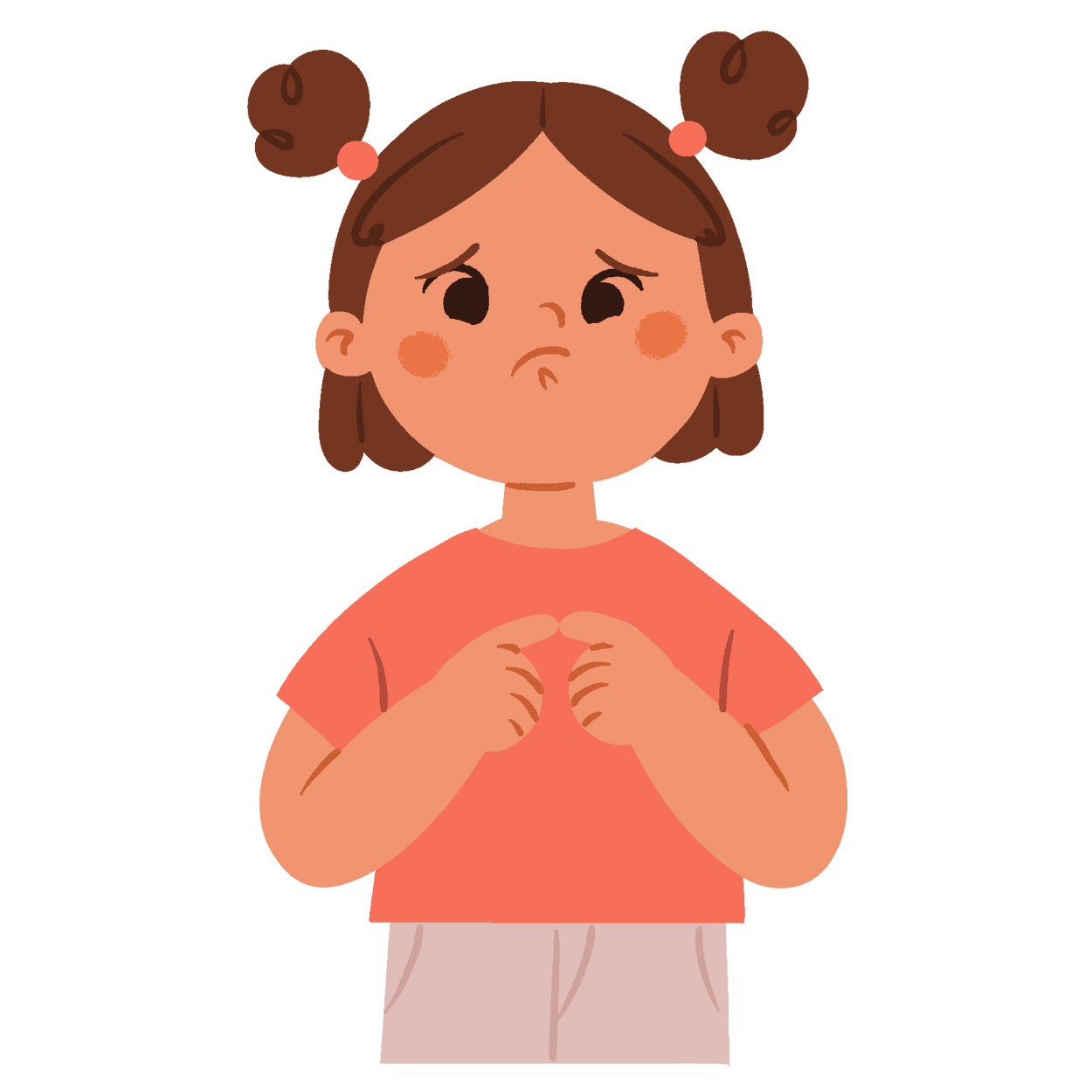
When a child feels guilty, they can take accountability and feel a responsibility to do something about it. Healthy guilt can keep kids from feeling helpless because if the problem is their behavior or an action, they have the power to fix it or make necessary repairs. Children who learn this early are more likely to admit mistakes, learn from them, and not be afraid to be wrong. They can help themselves because it was a not so great action, not them being a bad person.
Shame works in the opposite direction. When a child constantly feels bad with no sense that anything can change, they learn to avoid, deflect, and ignore their wrongdoings rather than own them. And honestly, can you blame them? If admitting they did something wrong ultimately means admitting that they are wrong, that they are fundamentally flawed, of course, they won't want to say sorry, take responsibility, or change their behavior. The admission costs too much.
Guilt says, "I feel bad, I can fix this." Shame says, "There's nothing to fix because the problem is me."
A child in shame might:
Go completely silent or shut down
Avoid eye contact
Suddenly become angry or defensive
Leave the room, hide, or say "I don't care"
Say things like "I'm the worst" or "I can't do anything right"
Laugh or act like it's funny when it clearly isn't
Blame someone else immediately
Say "I know, I know, I know" to shut the conversation down before it starts
A child in guilt might:
Feel genuinely bad.
Stay present in the conversation even if it's uncomfortable
Ask what they can do to help fix the situation
Bring it up on their own later because it's still bothering them
Show remorse through their actions, not just their words
Ask "Are you still mad at me?" because they care about the relationship
May seem sad, cry or want comfort
Guilt is an action emotion. It creates movement toward repair. It motivates. It says "do something." The discomfort of guilt is actually functional; it's designed to push a person back into connection and accountability.
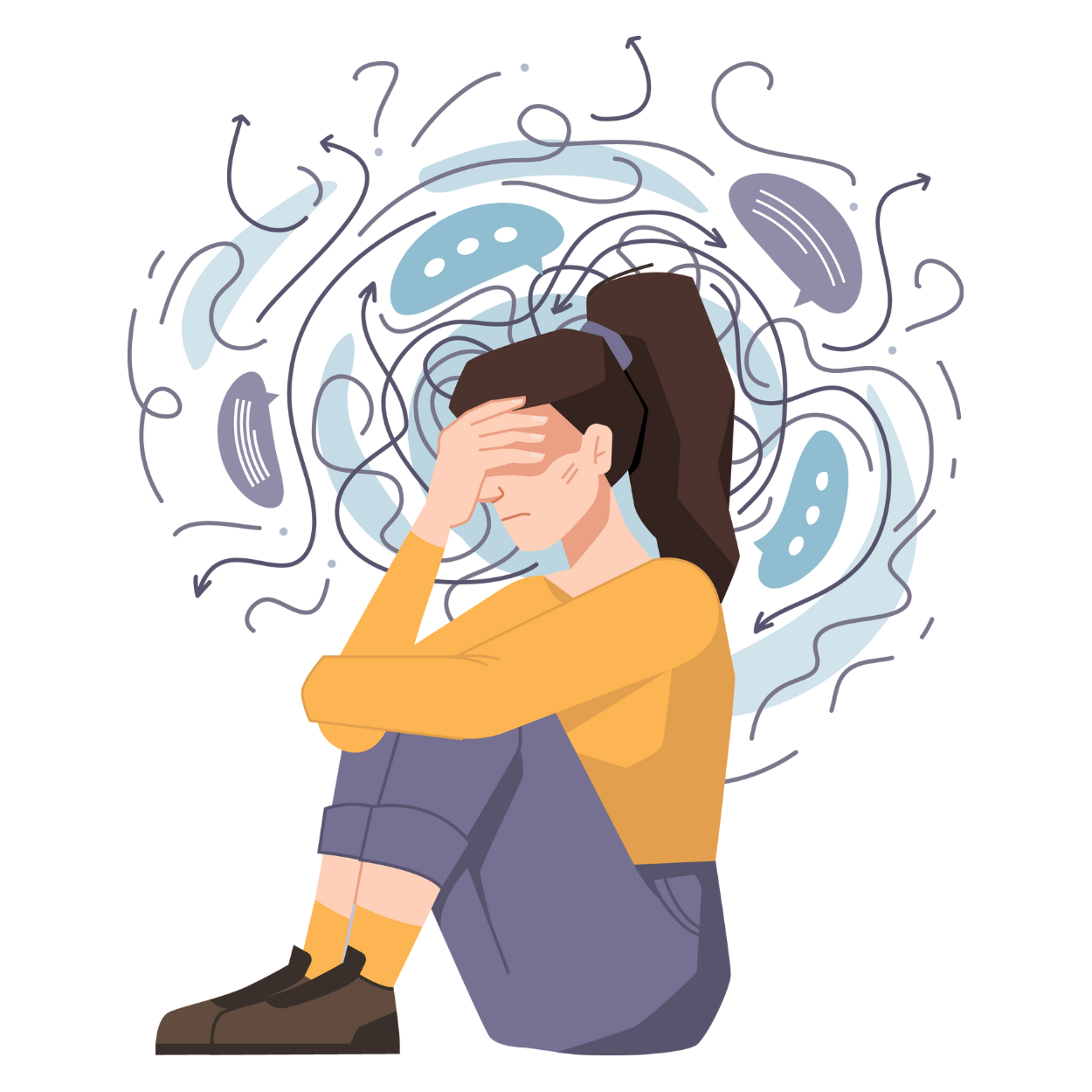
Shame is closer to a freeze response. It collapses the self inward. Research describes shame as producing what's called "shrinking". The body literally responds by making itself smaller, withdrawing, going still. It's threat-based. The nervous system reads shame as danger, and the response is to hide, disappear, or attack and anger. None of those responses lead to repair.
Shame is sometimes misread as defiance or as a lack of caring, but it can often be the opposite. Sometimes a child who cares deeply about what you think of them can't tolerate the conversation and looks for ways to escape.
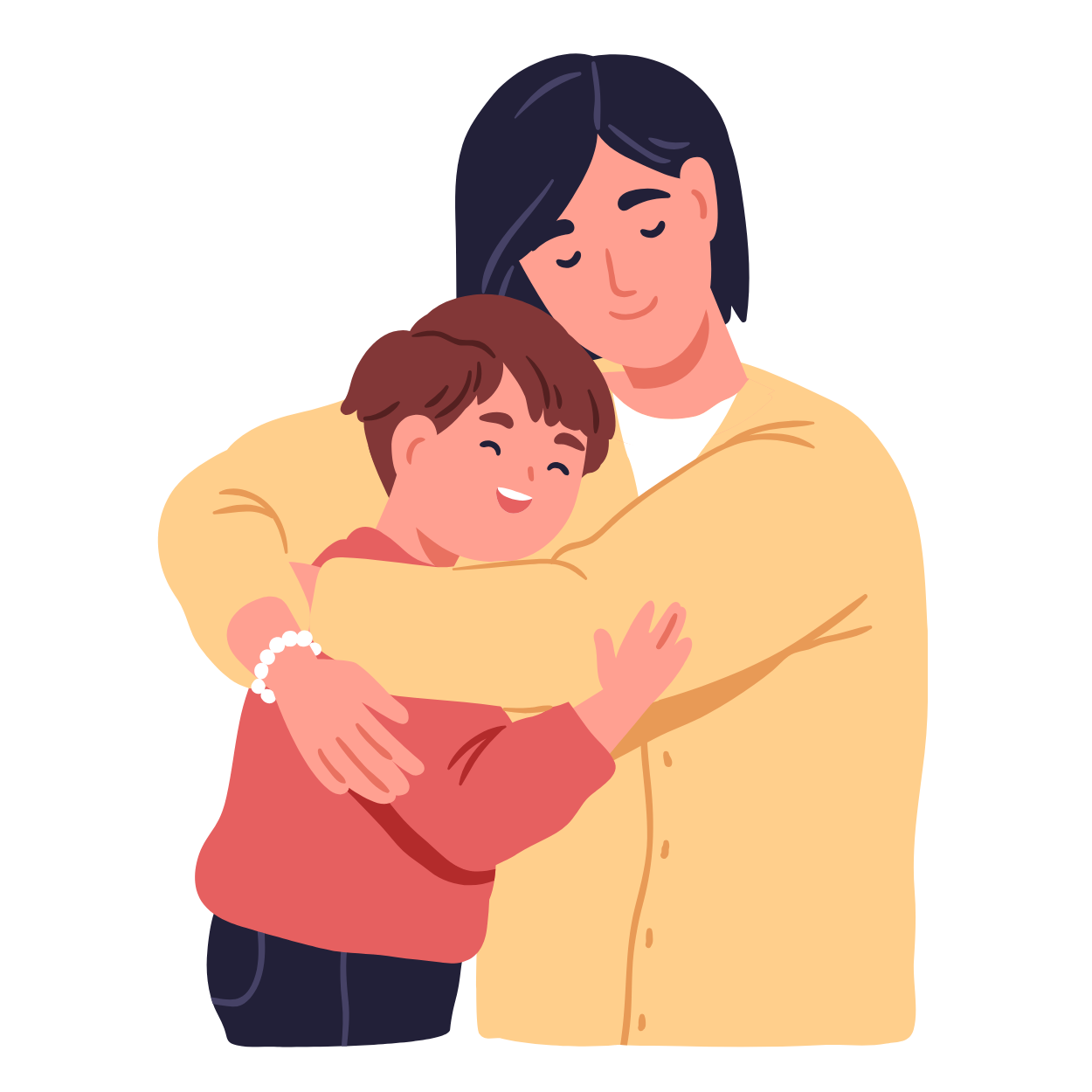
So, How Can I Help?
The goal isn't to make your child feel good about what they did. The goal is to keep the door open so they can actually learn from it. That is productive and healthy. Kids will make mistakes; we ALL make mistakes.
Instead of: "What is wrong with you? Why would you do that?" Try: "That wasn't okay. Let's talk about what happened and what we can do to make it right."
Instead of: "You should be ashamed of yourself." Try: "I think you already feel bad about this. That feeling is telling you something important. What do you think you could do differently?"
Instead of: "You always do this." Try: "You made a mistake. Mistakes are how we learn, so let's figure out what to do next."
Instead of: "Say sorry. Now." Try: "What do you think it felt like to be on the other side of what just happened? Let's think about what you want to say to them to make this right."
Instead of: "I can't believe you lied to me." Try: I'm disappointed about the lying. I know you know that lying isn't okay. Sometimes we lie because we're scared of what happens if we tell the truth. Is that what was happening here?"
The through line in all of these is to name the behavior, not the child. Stay curious, not punishing. Keep repair on the table.
For Clinicians (&parents, keep reading!):
When a child comes in carrying shame, the first job isn't psychoeducation; it's safety. A shame-activated child cannot learn, reflect, or repair until they feel safe enough to stay in the conversation. Here's how to work with that:
Normalize the feeling without co-signing the belief. When a child says "I'm so stupid" or "I'm the worst," resist the urge to immediately correct it. Instead, reflect the emotion underneath: "It sounds like you're really hard on yourself about this." Then gently separate the self from the behavior: "Can we look at what actually happened? Because I don't think the story is that you're stupid. I think something happened that felt really hard."
Use externalizing language intentionally. Narrative therapy gives us a useful tool here: separate the child from the problem. "It sounds like Shame is really loud for you right now. What does Shame tell you about yourself when you make a mistake?" This creates just enough distance for a child to examine the belief rather than be consumed by it.
Coach the repair, not just the apology. Forced apologies don't create the honest and natural guilt we feel as humans; they build resentment or performance. A child who is made to say sorry before they've had a chance to process what happened isn't learning accountability. They're learning to say the right words to make the discomfort stop. That's not repair. That's a script.
Real repair starts with understanding. Before a child can genuinely apologize, they need to know what they're apologizing for, who it affected, and why it mattered. That's where these three questions come in, and they work whether you're a parent at the kitchen table or a clinician in session.
What happened?
Who was affected and how?
What's one thing you could do to help make it right?
These questions move the child out of their own shame spiral and into the other person's perspective. They shift the focus from "how much trouble am I in" to "what can I actually do about this." And they make repair feel possible, which is exactly the message we want guilt to send. You don't have to rush this process. The goal isn't a fast apology. The goal is a real one
Follow-up questions for deeper conversation:
"What were you feeling right before it happened?"
"What would you want someone to do for you if the roles were switched?"
"What do you want the other person to know?"
Repair will bring RELIEF. Kids can eventually let go of guilt and no longer have to carry that ugly feeling in their gut forever. They can learn from it and move on.
Kids are not just constantly trying to be bad. They are trying to figure out who they are and learn how to be a human in this weird world. The language we use when they mess up becomes part of that story. Every time we separate the behavior from the person, we are telling a child, "You are not your worst moment. You are someone who made a mistake."
That belief, held consistently over time, is what builds kids who own their mistakes, learn from them, and aren't afraid to be wrong.
Which, honestly, is what most of us are still working on, too.
This Week:
Pay attention to the language used around kids when something goes wrong. In your home, in your sessions, in the world around you, notice the difference between statements that target a behavior and statements that target a person.
"You lied to me" vs. "You're a liar."
"That was unkind" vs. "You're so mean."
"You made a mistake" vs. "You always do this."
Then, try one script swap. Just one. (Examples above) The next time something goes wrong with your kid, with a child in session, or even with yourself, catch the shame-based response before it lands. Try replacing it with something more behavior-focused and factual.
And…For you.
Instead of "I'm a terrible mom, I completely lost it today," Try "I had a hard moment. That's not who I am as a whole. I will try again tomorrow"
"I'm failing at everything right now." Try "I'm having a really hard season. It's temporary. I can ride this wave."
Instead of "I'm so awkward, I can't believe I said that" Try "That conversation felt off"
Instead of "I'm so irresponsible, I always forget everything" try "I forgot that. I'm going to write it down so it doesn't happen again."