
Snowstorms, Uncertainty, and the Science of Navigating the Unknown
Evidence-based strategies to transform uncertainty from a threat into a navigable journey.
Another winter storm warning flashes across your phone. Schools might close. Roads could become impassable. Your carefully planned week just became a giant question mark.
And your kids? They're watching. Absorbing. Feeling everything.
Uncertainty isn't just about the weather. It's about those moments when the world doesn't follow our script—when plans dissolve, expectations shift, and we're left standing in the emotional equivalent of a whiteout.
While snowstorms might be our current example, uncertainty comes in countless forms:
Unexpected schedule changes
Family transitions
Social shifts
Global events
Personal challenges
The skill isn't eliminating uncertainty. It's learning to navigate it. Here are evidence-based strategies to help you and your child transform uncertainty from a threat into a navigable journey.
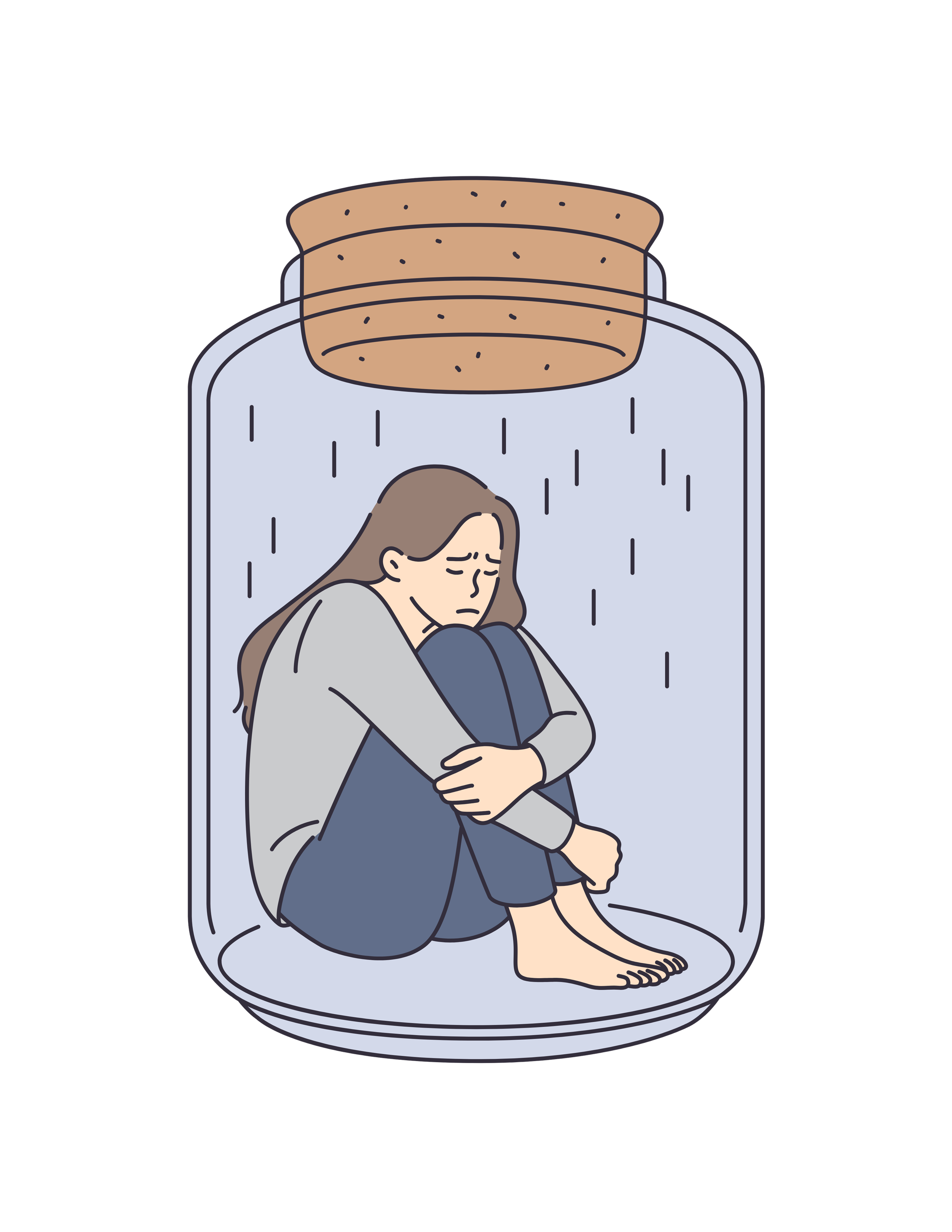
What To Do
Calm Presence
Your calm presence becomes your child’s external nervous system. When you stay regulated during unpredictable moments, you send a powerful message: “The world may feel uncertain, but you are not alone.”
This doesn’t mean being perfectly calm all the time. It means being human—repairing when things get messy and staying connected.
Validation
Uncertainty looks different for every child. Some cling. Some get angry. Some shut down. Your job isn’t to fix their feelings—it’s to witness them.
What validation sounds like:
“This feels really big right now.”
“I can see how unsure you’re feeling.”
“Your feelings make sense.”
Validation doesn’t mean agreement. It means acknowledging the emotional experience as real and important.
Narrative Reframing: Changing the Story of Uncertainty
Help children hold more than one truth at a time using “and” statements:
“This is scary, and we can handle it together.”
“I feel worried, and I have support.”
“Things are changing, and we can adapt.”
Predictability Anchors
When life feels uncertain, create small moments of consistency:
Daily check-in rituals
Visual schedules or simple calendars
A family “uncertainty plan.”
Consistent comfort routines
Nervous System Regulation
When uncertainty spikes, focus on:
A calm, steady tone
Physical closeness (if welcomed)
Slow breaths together
Small, predictable moments within the chaos
Sensory Grounding Tools
Support regulation through the body:
Weighted blankets
Fidgets
Simple breathing exercises
Comfort objects
Predictable sensory experiences
Curiosity Over Fear
Shift from fear to exploration:
Ask “I wonder…” questions
Explore uncertainty together
Share age-appropriate stories of overcoming challenges
Normalize that not knowing is part of learning
The goal is resilience, connection, and emotional flexibility.
Remember: You're not trying to eliminate uncertainty. You're teaching them they can move through it.
If things have felt heavy recently, you aren’t alone! What helps you the most during times of uncertainty? Let us know! aduckstherapist@gmail.com